
Introduction
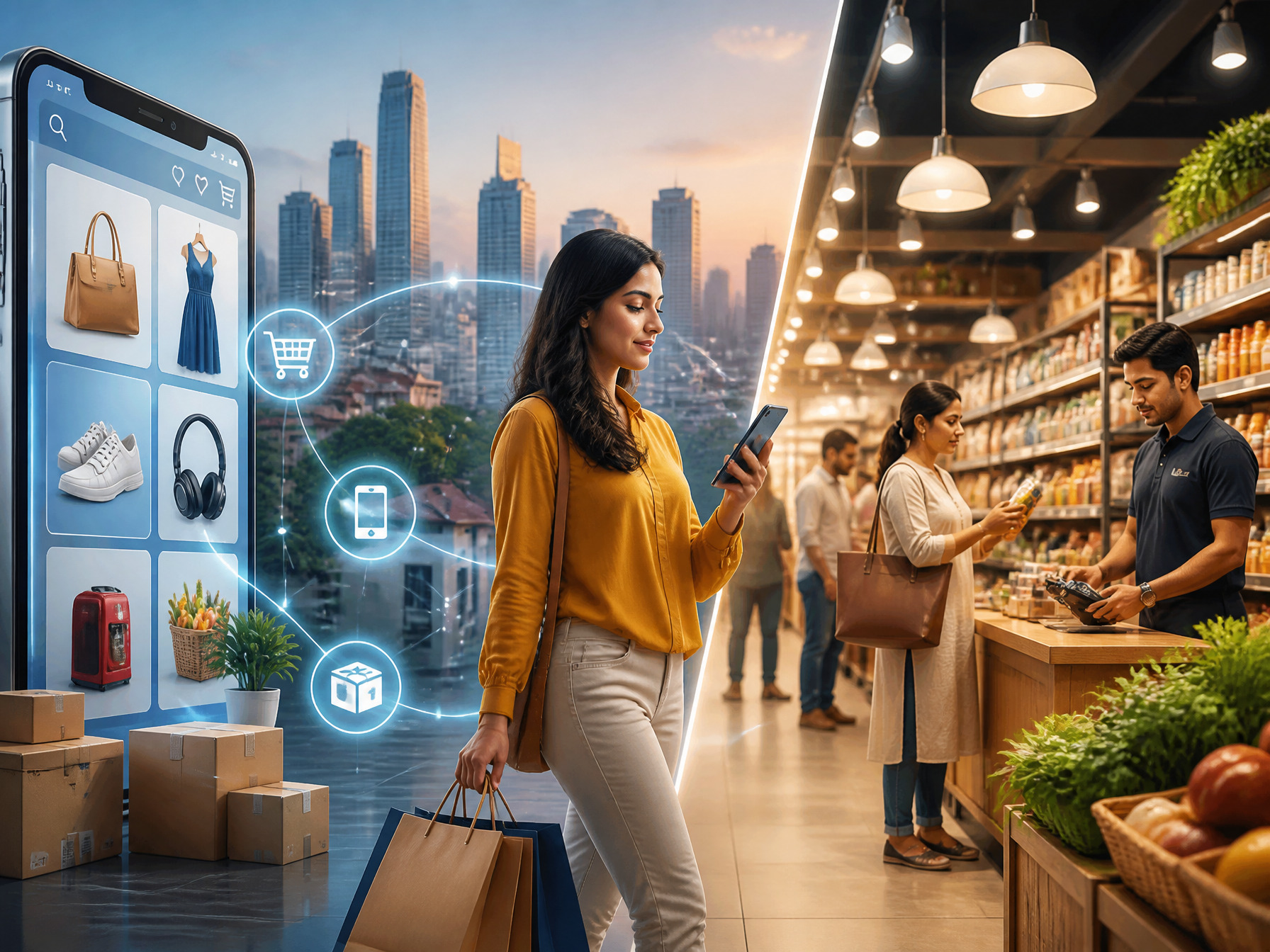
The retail landscape across Southeast Asia, the Middle East, South Asia, and the Caucasus/Central Asia is undergoing a fundamental transformation. The traditional binary distinction between "online" and "offline" retail is disappearing, replaced by a seamless, integrated consumer experience. This evolution is not happening uniformly across regions, but the direction of travel is clear: the future of retail is hybrid, omnichannel, and deeply localised.
What is Driving the Convergence?
1. Smartphone Penetration & Digital Literacy
Across all our focus markets, smartphone adoption is surging:
- Southeast Asia: Over 400 million smartphone users, with penetration exceeding 70% in urban areas.
- Middle East: Smartphone penetration is among the highest globally, exceeding 80% in the UAE and Saudi Arabia.
- South Asia: India has over 900 million internet users and 700+ million smartphone users, with the market growing at 10–15% annually.
- Kazakhstan: Smartphone penetration exceeds 80%, with most consumers using mobile devices for shopping.
- Azerbaijan & Georgia: Rapid mobile adoption is driving e-commerce growth in both markets.
2. Changing Consumer Behaviour
Consumers increasingly expect to research products online and purchase in-store (or vice versa). Key behaviours across all markets include:
- Showrooming: Testing products in-store, then buying online at a better price.
- Webrooming: Researching online, then purchasing in-store for immediate fulfilment.
- Click-and-Collect: Ordering online and picking up in-store (or at a nearby collection point).
- Unified Loyalty: Expecting loyalty programmes and promotions to work seamlessly across channels.
3. The Super App Phenomenon
In Southeast Asia, Super Apps like Grab, GoTo, and Shopee are transforming retail. Consumers can order groceries, electronics, and meals—all within a single app. Similar trends are emerging:
- South Asia: Tata Neu, Flipkart, and Amazon.in are creating unified commerce ecosystems.
- Middle East: Noon and Talabat are expanding beyond delivery into retail.
- Kazakhstan: Kaspi.kz has evolved from a fintech platform into a dominant e-commerce marketplace, offering banking, shopping, and delivery in one app.
4. Logistics Infrastructure Investment
Governments and private investors are pouring capital into logistics infrastructure:
- Southeast Asia: Rapid development of cold chains and last-mile delivery networks.
- India: Massive investment in warehousing, expressways, and rural delivery networks.
- UAE & Saudi: Becoming global logistics hubs with world-class port and air freight facilities.
- Kazakhstan: Development of e-commerce fulfilment centres and cross-border logistics corridors.
Regional Deep Dives
Southeast Asia: The Pioneer of Convergence
Southeast Asia is arguably the most advanced in omnichannel retail integration:
- E-commerce penetration reached 20% of total retail in 2025, up from just 5% in 2018.
- Physical retailers are rapidly digitising, with over 60% of traditional retailers now offering some form of online channel.
- Grocery delivery apps (GrabMart, ShopeeFood, HappyFresh) are blurring the lines between FMCG and e-commerce.
The Middle East: Luxury Meets Digital
The Middle East presents a unique convergence story:
- Luxury brands are investing heavily in omnichannel experiences—digital showrooms, virtual try-ons, and immersive AR experiences.
- E-commerce penetration is projected to reach 20% by 2028, up from 12% in 2023.
- Modern grocery retail is expanding rapidly, with online grocery delivery gaining significant traction in urban areas.
South Asia: The Scale Play
South Asia offers unmatched scale:
- India's online grocery market is projected to reach $24 billion by 2027, growing at 25% CAGR.
- Electronics and appliances account for over 30% of all e-commerce sales in India, driven by smartphone and home appliance demand.
- Traditional retail (kirana stores) is digitising through B2B platforms that connect millions of small retailers with FMCG suppliers.
Central Asia & Caucasus: The Rising Front
- Kazakhstan: E-commerce now accounts for 14.3% of retail turnover, with major players like Kaspi.kz and Ozon driving digital adoption. Electronics and appliances account for over 10% of marketplace sales.
- Azerbaijan: Online shopping is growing rapidly, particularly for electronics, fashion, and household goods.
- Georgia: The e-retail market is expanding, driven by increasing internet penetration and a growing trend of online shopping.
Our Approach: Building the Integrated Retail Model
We help clients design and implement omnichannel strategies tailored to each market:
- Unified Commerce Platforms: Integrating inventory, pricing, and promotions across channels.
- Fulfilment Optimisation: Balancing in-store stock, warehouse inventory, and drop-shipping models.
- Last-Mile Excellence: Partnering with local logistics providers to ensure reliable delivery.
- Data Unification: Building a single customer view across all touchpoints to personalise marketing and improve retention.